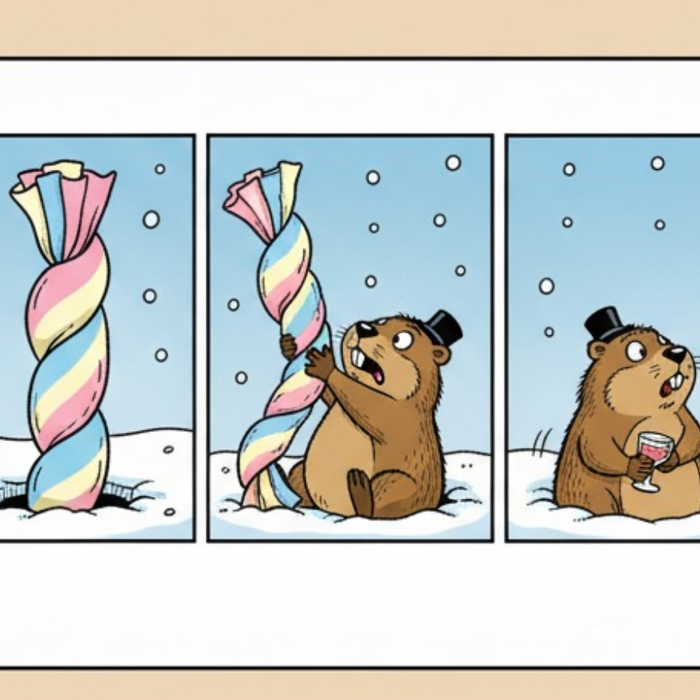
There’s something unmistakably nostalgic about unwrapping a piece of salt water taffy. The crinkle of the wrapper, the pastel colors, the way the soft candy stretches just slightly before you take a bite — it all feels like a tiny return to long summer days and beach boardwalks. Whether you brought some home from vacation, ordered a big mix to share, or keep a secret stash for yourself, understanding how long salt water taffy lasts helps you enjoy every piece at its softest and sweetest.
Salt water taffy doesn’t last forever in its perfect state — but with a little care, you can preserve that delicate chewiness and vibrant flavor for months. This guide walks through how long taffy stays fresh, how to store it, how to soften pieces that get firm, and how to tell when it’s past its best. Think of it like a cozy, friendly handbook for keeping your candy happy.
Salt water taffy has been around since the late 1800s, originally sold in seaside candy shops where candy makers would pull warm taffy in long, shiny ribbons for crowds to watch. The process — stretching, folding, stretching again — adds tiny air pockets that give taffy its signature light, chewy texture. Over time, families passed down recipes, shops personalized flavors, and taffy became a treat linked to happy memories.
If you’ve ever had a piece that tasted “just right,” you know the magic — soft, sweet, smooth, and just firm enough to hold its shape. That’s the texture we want to preserve. It all starts with how the candy is wrapped and stored.
For a fun look at how the name “salt water taffy” started, see this explanation of the history behind the “salt water taffy” name.
Is Salt Water Taffy Fresh When You Order It?

Yes — when you order from a shop that makes taffy frequently, your candy arrives fresh. Taffy Shop cooks their taffy in small batches, and inventory moves quickly. That means the taffy you receive isn’t sitting in storage for months; it’s generally made, wrapped, sealed, and shipped within a short window.
However, taffy’s texture is sensitive to temperature. If your bag traveled across seasons, states, or shipping warehouses, the candy may temporarily feel different even if it’s perfectly fresh:
- If it feels firm: it’s just cold. Let it warm in your hand or pocket and watch it soften back to life.
- If it feels sticky or very soft: it got warm. A brief chill (5–10 minutes in the fridge) helps it regain structure.
This is one of the charming things about taffy: it’s alive in a way — it responds to the world around it. Give it a little time, and it settles into the soft, chewy texture you’re expecting.
Why Taffy Shop Taffy Stays Soft and Fresh
Each piece of taffy is wrapped right after pulling to lock in softness and prevent drying. This simple detail makes a huge difference — keeping air away preserves the velvety chew. Since Taffy Shop makes their candy frequently rather than storing it long-term, the taffy doesn’t have time to lose moisture or turn stiff before it reaches you.
There’s also something to be said for tradition. The way the candy is handled – cooled gently, wrapped by hand or machine at just the right moment, and stored with care – reflects years of candy-making experience. You can taste that experience in every bite.
And with over 70 flavors — fruity, creamy, classic, and seasonal — you can always find a flavor that brings back a memory. Browse one flavor at a time with the individual flavor collection.
How Long Does Salt Water Taffy Last?
With proper storage, salt water taffy stays fresh and enjoyable for 4–6 months. Some people store it longer, but the very best texture — that soft pull as you stretch it, the smooth melt as you chew — is most pronounced within the first few months.
Stored sealed, it doesn’t “go bad” quickly. It just slowly loses moisture over time. This is why older taffy often becomes hard or brittle rather than unsafe. Like bread left out too long, it dries rather than spoils.
For additional reference, candy shelf life reference guidelines explain this gradual change clearly.
If you want to keep larger quantities fresh, try purchasing sealed mixes like the Ready-to-Go Packs and opening one at a time.
Should Taffy Be Refrigerated or Frozen?
Most of the time, taffy prefers room temperature. Cold air can make it tough and difficult to chew, while heat can make it soft and sticky. But refrigeration isn’t “wrong” — it just depends on your goal.
Use the fridge only as a quick texture reset. If your taffy arrived soft from warm weather or was left near a sunny window, 5–10 minutes in the fridge helps it regain shape without drying out.
Freezer storage works only for long-term planning. If you want to save taffy for a holiday or special event, freezing it in its packaging helps pause the aging process. Just be sure to let each piece warm to room temperature before unwrapping so it becomes soft again.
For deeper guidance, see official candy storage recommendations.
How to Tell the Difference Between Fresh & Stale Taffy
Fresh taffy is lively — it springs back softly when you press it, stretches gently when pulled, and melts just slightly as you chew. The flavor comes across clean and full, not faint or dusty.
Stale taffy, by contrast, loses flexibility. It might crack instead of stretch, crumble instead of bend, or feel dry on your tongue. The flavor becomes muted instead of bright.
| Quality | Fresh Taffy | Stale Taffy |
|---|---|---|
| Texture | Soft, chewy, stretchy | Hard, brittle, or grainy |
| Flavor | Bright and balanced | Mild, flat, or faint |
| Appearance | Smooth and glossy | Dull, cracked, or rough |
If you’re unsure, simply warm it gently in your hands — sometimes what appears stale is just cold.
How to Soften Hard Taffy Without Microwaving
Hard taffy is usually just cold or slightly dried — but it can often be revived. The key is gentle warmth, not sudden heat.
- Leave the taffy in its wrapper to prevent sticking.
- Place the piece in your hand, pocket, or under a warm napkin.
- Let your natural body heat soften it slowly — 5 to 20 minutes depending on temperature.
- Avoid microwaves or ovens; direct heat can melt or scorch the sugars.
If you'd like to learn more about how temperature affects texture, see how taffy is made and pulled at how taffy is made and pulled.
How to Tell If Salt Water Taffy Has Gone Bad
Salt water taffy rarely becomes unsafe — it simply becomes less enjoyable. You’ll know it has passed its best quality if you notice:
- It stays hard even after warming
- It tastes dull, dusty, or “old”
- It has a strange or sour scent
- The color has faded or looks cloudy
These changes happen when taffy loses moisture or is exposed to air. For more context, see food safety guidance for candy storage.
Discover New Flavors While They're Fresh
If trying new flavors brings you joy, there’s a simple way to explore without guessing: browse the most popular taffy flavors chosen by actual customers. These are the flavors that people reorder again and again.
Or make taffy a sweet part of your month by joining the Taffy of the Month Club — a lovely surprise to look forward to with each delivery.
Frequently Asked Questions
How long does salt water taffy last?
Salt water taffy typically stays fresh for about 4–6 months when kept wrapped and stored in a cool, dry place. It may last even longer in terms of safety, but the best flavor and soft-chewy texture are experienced earlier in that window. If you like your taffy extra soft, enjoy it during the first few months. Think of taffy like a memory: the sooner you savor it, the sweeter the moment feels.
Does taffy expire?
Taffy doesn’t expire in a way that becomes unsafe to eat — instead, it slowly loses moisture, which affects texture and flavor. Over time, it may harden, become less stretchy, or develop a faint, muted taste. Even if it’s still edible, older taffy simply doesn’t provide that soft, sweet experience we associate with the treat at its best. It’s not harmful — just less magical.
Should taffy be refrigerated?
Refrigerating taffy isn’t necessary for everyday storage, but it can help if your taffy becomes too soft from warm weather. Just chill it for about 5–10 minutes to reset firmness, then let it warm slightly before enjoying. Long-term refrigeration can affect texture, so think of the fridge as a “quick fixer,” not its natural home.
How can you tell if candy is expired?
Signs of candy aging include dull color, cracked surfaces, grainy texture, or a loss of flavor. Taffy that feels hard even after warming or has a faint “stale” scent has likely been exposed to air or fluctuating temperatures. For a deeper understanding of how sweets age, see why candy changes texture over time. When in doubt, trust your senses — candy should make you smile, not second-guess.
Ready to Enjoy Fresh Taffy?
Whether you love nostalgic classics or modern dessert-inspired twists, there’s a flavor waiting to bring back your favorite memories.


Share:
What Is Salt Water Taffy Made Of?
New Taffy Shop Logo Revealed